



24-Hour Emergency Response
24-Hour Emergency Service and System Impairments
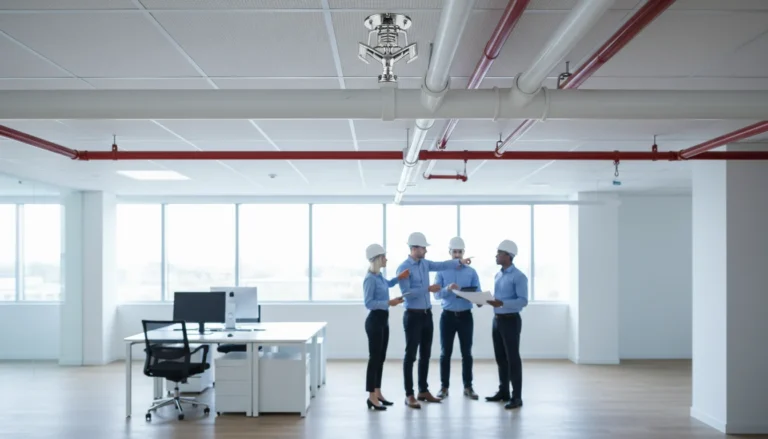
A system impairment is any condition that takes a fire protection system, or part of one, out of service: a sprinkler head sheared off by a scissor lift, a pipe frozen and split above a parkade, a control valve found closed after a contractor’s shift, a fire alarm panel sitting in trouble. From that moment the building is not protected the way its design assumed, and the BC Fire Code requires the owner to put alternative protection in place (normally a fire watch) until the system is restored. Poseidon Fire Protection runs a 24-hour line for exactly this: isolation, temporary protection, impairment tagging, repair, verified restoration and the written record afterward, for general contractors, property managers and strata councils across Metro Vancouver, the Fraser Valley and Sea to Sky.

Sprinkler Leaks, Frozen Pipes and Burst Lines
A sprinkler leak is water escaping from a component of a water-based system (a fitting, a corroded branch line, a damaged drop, or a sprinkler head knocked off by a lift or a forklift), and because a wet pipe system holds pressurised water at all times, it does not stop on its own.
A sheared head discharges at full flow into the space below it until someone closes the right control valve. That act (closing the valve) is itself the impairment, which is why the response is never just a plumbing repair. The sequence is isolate the smallest zone that stops the water, drain, repair, refill, prove the waterflow switch still signals the panel, restore and document. Getting the zone right is the difference between one wet tenant and an entire tower with no sprinkler protection.
Freezing is the seasonal version. Parkade ceilings, loading bays, unheated attics, exterior canopies and dry systems holding trapped water at low points are where pipes split, and a cold snap in Coquitlam, Maple Ridge or Abbotsford produces several at once, more so in Squamish, Whistler and Pemberton. The leak is the symptom; the trapped water, the missing heat trace or the wrong system type is the cause, and the report says which.
Trouble Signals, Supervisory Signals and a Valve Left Closed
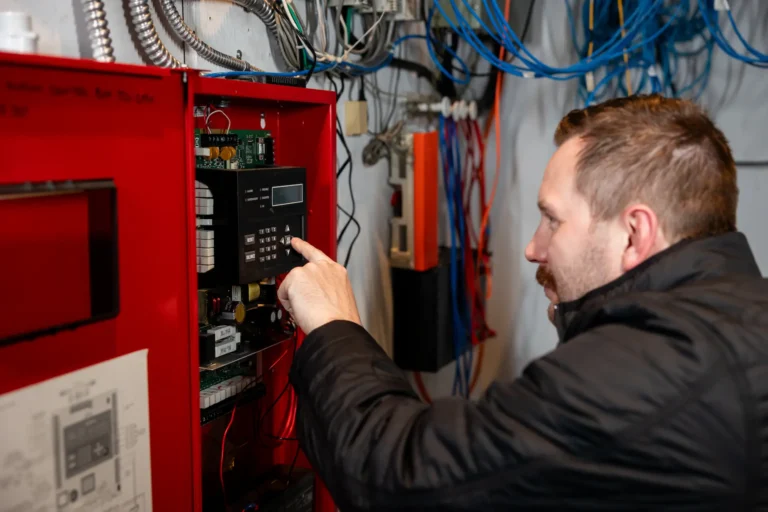
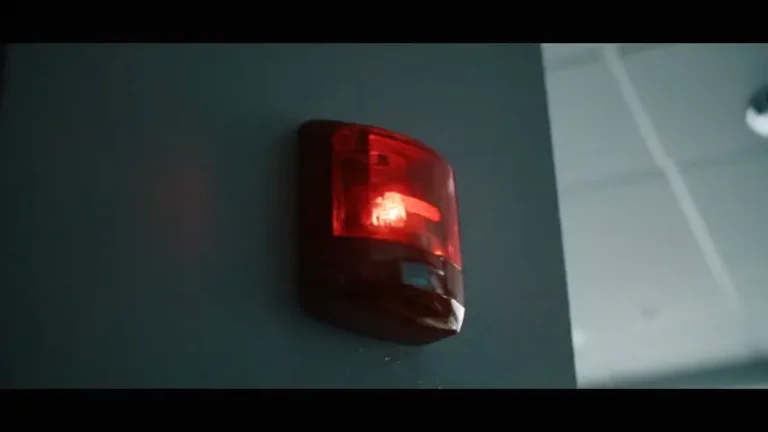
A trouble signal is the fire alarm control panel’s indication that the system itself has a fault (an open circuit, a ground fault, a failed battery, a device removed), while a supervisory signal indicates a fire protection system has been moved off its normal state, most often a sprinkler control valve that has been closed.
Both mean the same thing commercially: the system is not in the condition the building’s design assumed, and someone must either fix it or watch the building until it is fixed. A panel in trouble may be unable to receive an alarm from the affected circuit. Silencing the buzzer resolves the noise, not the fault, and a panel left silenced with a standing trouble is a finding an inspector will write up.
The valve left closed is the most dangerous impairment in this trade, because it is invisible. A tamper switch is what turns a closed valve into a supervisory signal at the panel; without that switch (or with the signal ignored) the building looks entirely normal and the sprinklers have no water. It happens after tenant improvement work, after a hydrant flow test, after a shutdown nobody closed out. Poseidon attends, finds the valve, proves the system back to full pressure and flow, and confirms the signal clears at the panel and the monitoring station.
The Fire Watch: What the BC Fire Code Requires While a System Is Down
A fire watch is the alternative protection the BC Fire Code requires while a fire protection system is impaired: a trained person patrolling the affected area on a set route and interval, watching for fire, equipped and instructed to call the fire department immediately.
This is the obligation that catches general contractors during renovations. A crew drains a floor to tie in new branch lines, works the day and goes home; the building sat unprotected, nobody was watching it, the monitoring station was never told and nothing was written down. If a fire inspector or an insurer’s adjuster later reconstructs that day, the absence of a fire watch is not a technicality; it is the finding. The BC Fire Code places the duty on the owner, but on an active site the construction contract almost always passes it to the general contractor, which means the GC is carrying a code obligation it never read.
An impairment handled properly is cheap. An impairment handled badly is a coverage argument.
What a compliant impairment looks like
- The impaired system, the extent of the impairment and the reason recorded in writing
- The fire department, the monitoring station, the insurer and the occupants notified
- A fire watch or other alternative protection in place for the full duration of the shutdown
- A patrol log kept: the route, the times, and the name of the person on watch
- An impairment tag at the control valve, riser or panel so nobody assumes the system is live
- Restoration proven by test, the tag removed, and the notification list told the system is back
Impairment Tags, Temporary Protection and Restoration
An impairment tag is a physical tag hung at the affected control valve, riser or fire alarm panel stating that the system is out of service, who took it out and when, so that nobody who walks up to that riser assumes the building is protected.
Temporary protection is the other half: staging additional extinguishers in the affected area, keeping a temporary standpipe and hose available on a site under construction, isolating the smallest possible zone rather than dropping the whole system, or restoring partial protection to occupied floors overnight while an empty floor stays down. The goal is always to shrink the impairment: in area, and in hours.
Restoration is a test, not an assumption. Refill, vent the air, run a main drain test to confirm the supply, flow through the inspector’s test connection to prove the waterflow switch signals, confirm control valves are open with tamper switches supervising, clear every trouble and supervisory signal at the panel, then pull the tag. The written restoration record is what lets a property manager tell a strata council, in writing, that the building is protected again.
A Failed Inspection Before Occupancy
A failed inspection is an inspection, test or verification in which a fire protection system does not perform as designed, and on a construction project it is the single event standing between a general contractor and occupancy.
The forms it takes are familiar: a CAN/ULC-S537 verification that will not pass because devices are mis-addressed or ancillary functions never got wired, a sprinkler system that will not hold pressure or whose flow switch does not signal, a backflow assembly that fails its field test days before the water has to go live, emergency lighting that will not hold its load. The authority having jurisdiction does not sign, the occupancy date moves, and the tenant’s move-in moves with it.
Poseidon attends failed inspections as an emergency scope: diagnose, correct, re-test, re-document and re-present to the AHJ, with Red Seal–certified sprinkler fitters and ASTTBC-registered staff, COR certified and carrying WorkSafeBC coverage in good standing. Tell us the occupancy date on the first call: it is the constraint everything else gets scheduled against.
Planned Impairments: Renovations and Tenant Improvements
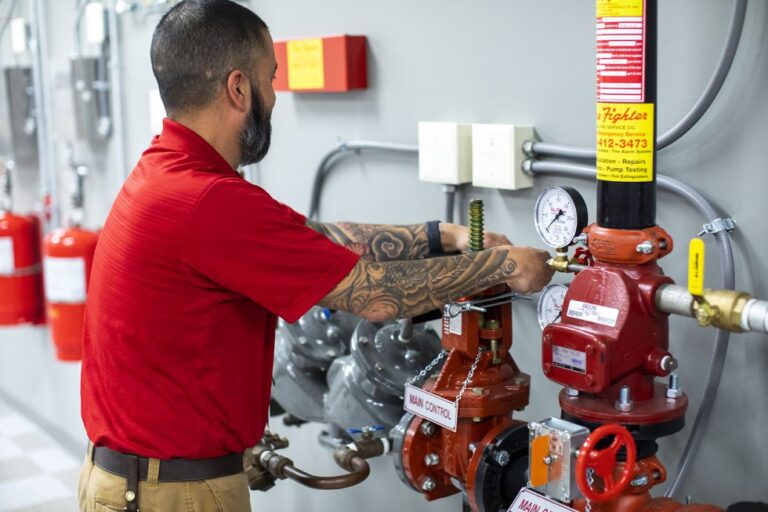
A planned impairment is a deliberate shutdown of a fire protection system so that work can proceed: draining a floor to tie in branch lines for a tenant improvement, isolating a zone to relocate detectors, taking a fire alarm panel out of service to add addressable modules.
The only real difference between a planned impairment and an emergency one is whether the paperwork exists before the valve closes. Everything else is identical: the system is down, the building is unprotected, and the code obligation is the same. A planned impairment simply means the notifications went out in advance, the fire watch was staffed rather than improvised, the tag was hung before work started, and restoration was scheduled instead of hoped for.
For a general contractor or property manager this is the item to book rather than discover. Poseidon schedules the shutdown against the trade sequence, keeps the impaired window as short as the work genuinely requires, and issues the impairment and restoration record for the project file. If the work is a renovation of an occupied building it also touches your fire safety plan: both the building plan and a construction plan for the work area.
How a Call to Our 24-Hour Line Runs
An emergency call-out is the unscheduled dispatch of a technician to a building whose fire protection system has been impaired, and it follows a fixed sequence, because the building has to be made safe before it can be made whole.
Call our 24-hour line and describe what you are actually seeing: what the fire alarm panel is displaying, where the water is coming from and whether it is still running, whether the building is occupied, and whether an occupancy or inspection deadline is attached to it. Where it is safe to do so we will walk you through isolating the affected zone on the phone (and tell you what that isolation means for the rest of the building) while a technician is dispatched.
From there the sequence does not vary: the impairment is recorded and tagged, alternative protection is established, the fault is repaired, restoration is proven by test, the notification list is told the system is back, and a written report follows. Where the failure points at something systemic (corroded pipe, a dry system holding water, a battery bank at end of life), the report says so and quotes the permanent fix. Buildings on a Poseidon inspection and testing programme get most of those failures caught long before they become a 2 a.m. phone call.
What we respond to
- Sprinkler leaks, sheared heads and burst or frozen pipes
- Fire alarm panels in trouble or supervisory, and repeated false alarms
- Control valves found closed, and tamper switches that will not clear
- Failed verifications, flow tests and inspections ahead of an occupancy date
- Backflow assemblies failing their field test with the water due to go live
- Emergency lighting knocked out by construction work or a power event
Frequently Asked Questions
Do we need a fire watch if the sprinkler system is only down for a few hours?
Assume yes, and confirm it before you close the valve. The obligation is driven by the fact that an occupied building is unprotected, not by the convenience of a short window, and the thresholds live in the BC Fire Code and NFPA 25 and turn on the extent of the impairment and the building’s occupancy. We assess it on the call and put the alternative protection, and its duration, in writing, which is the record that protects you afterward.
Who is responsible for the fire watch: the owner or the general contractor?
The BC Fire Code places the duty to maintain fire protection systems, and to provide alternative protection while they are impaired, on the owner. On an active construction site the contract almost always passes that duty to the general contractor, so read the contract before assuming it is someone else’s problem. Poseidon sets up and documents the impairment either way, so the record exists no matter which party carries the obligation.
A control valve was found closed. Is that actually an emergency?
Yes: a closed control valve means the sprinkler system downstream of it has no water, so the building has been unprotected for as long as the valve has been shut. It is treated as an impairment from the moment it is discovered: alternative protection goes in, the valve is reopened and the system proven back to full pressure and flow, the supervisory signal is confirmed clear at the panel and the monitoring station, and the whole thing is documented. The dangerous part is that nothing looks wrong.
The fire alarm panel is showing trouble but there is no fire. Can it wait until Monday?
A trouble signal means the fire alarm system itself has a fault, and depending on the fault the panel may be unable to receive an alarm from the affected circuit, so the building may not get warned. Silencing the buzzer addresses the noise, not the condition. Call it in; most panel troubles are a battery, a ground fault or a device removed during other trades’ work, and most are cleared on the same attendance.
Why do sprinkler pipes freeze in Metro Vancouver?
Because a great deal of sprinkler pipe runs through spaces that are not heated: parkade ceilings, loading bays, unheated attics, exterior canopies and unconditioned storage. Dry pipe systems are meant to solve this, but a dry system that is not properly pitched holds water at its low points and will split there every cold snap until the trapped water or the pitch is dealt with. It is more acute up the Sea to Sky corridor, and it is preventable; the failure is a design or maintenance defect, not the weather.
Will you respond to a building whose system you did not install?
Yes. Most emergency calls are to buildings we have never seen, and our technicians work from the riser, the panel and the annunciator rather than from a drawing set. If the system turns out to be undocumented (common in older strata and industrial buildings), the report we leave records what we found, so the next call starts from knowledge rather than from scratch.
Related Fire Protection Services
Most emergencies are deferred maintenance arriving on its own schedule. A Poseidon inspection, testing and maintenance programme catches the corroded branch line, the end-of-life battery bank and the valve nobody reopened before any of them become a call-out. When a repair turns into a rebuild we handle it with the same crews under sprinkler installation and fire alarm installation, and the impairment procedures we follow on site are the ones written into your fire safety plan.
Qualified, Insured, Prequalified
Poseidon Fire Protection is an ASTTBC-registered fire protection contractor whose sprinkler fitters hold Red Seal certification.
Areas We Service
Poseidon Fire Protection is a Port Coquitlam fire protection contractor serving commercial, strata and industrial properties across Metro Vancouver, the Fraser Valley and the Sea to Sky corridor.
- Metro Vancouver: Vancouver, Burnaby, Surrey, Richmond, Coquitlam, Port Coquitlam, Port Moody, New Westminster, North Vancouver, Delta
- Fraser Valley: Langley, Maple Ridge, Abbotsford
- Sea to Sky: Squamish, Whistler, Pemberton
A system out of service is a building unprotected
If a sprinkler is leaking, a pipe has burst, a panel is in trouble or a valve has been found closed, call our 24-hour line, and if the situation is not immediate, send us the details and we will scope it. You receive the impairment recorded and tagged, alternative protection in place for the duration, the repair itself, a restoration proven by test, and a written report for your file, your insurer and the authority having jurisdiction. Certificate of insurance and WorkSafeBC clearance letter provided on request.